
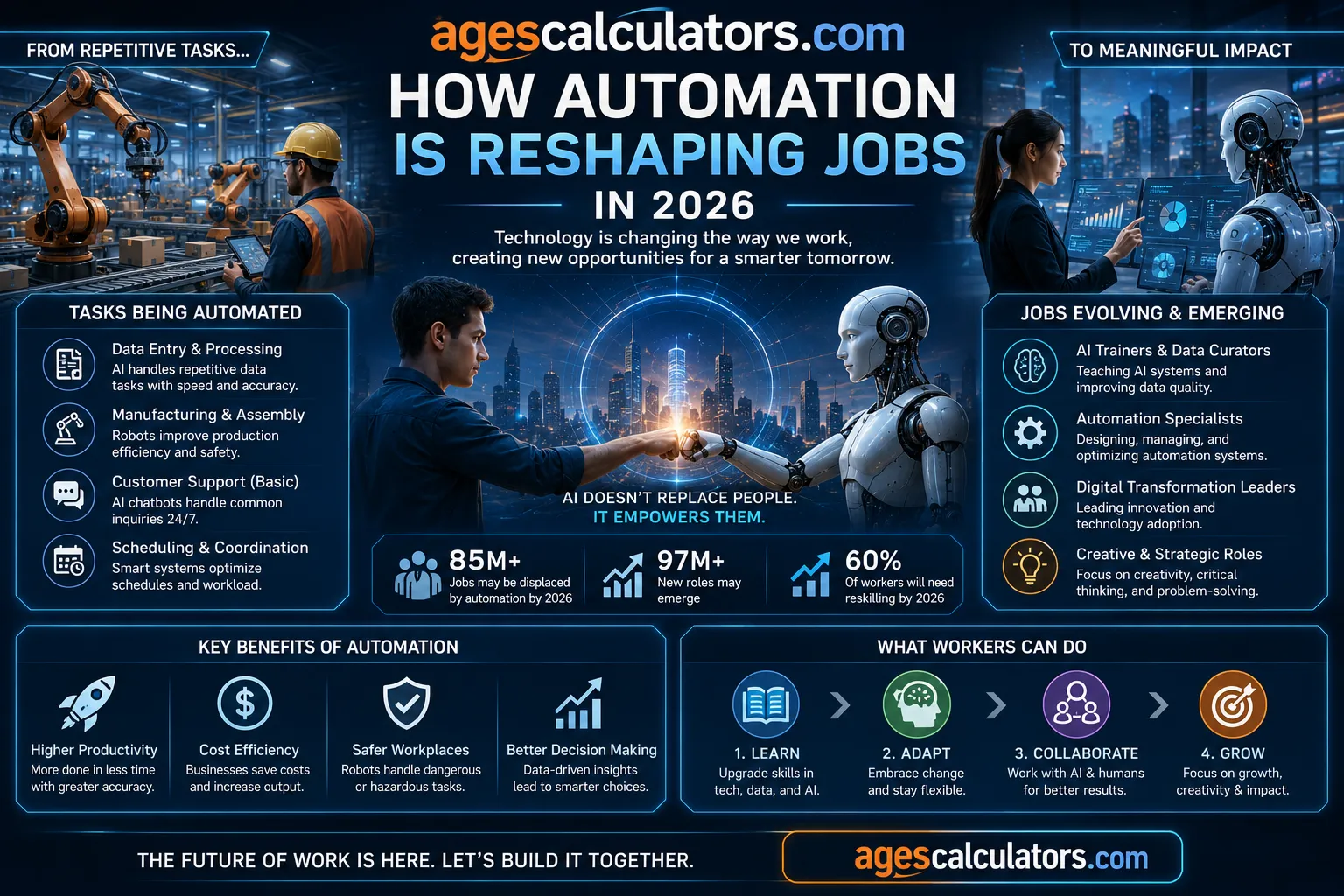
Artificial Intelligence and automation are transforming the global workforce faster than ever before. Businesses are increasingly using AI systems to improve efficiency, reduce costs, and automate repetitive tasks.
While technology creates exciting opportunities, it also raises concerns about job security. Millions of workers are wondering whether machines and algorithms could eventually replace human employees in many industries.
The workplace battle between humans and AI has become one of the biggest technology discussions of 2026.
Why Companies Are Investing in AI
Businesses are adopting AI because it offers major advantages.
AI systems can:
- Work continuously without breaks
- Analyze huge amounts of data instantly
- Reduce operational costs
- Improve productivity
- Minimize human errors
Companies competing in fast-moving markets see automation as necessary for survival.
As AI technology improves, more industries are integrating automated systems into daily operations.
Industries Most Affected by Automation
Some sectors are experiencing rapid automation growth.
Customer Service
AI chatbots now handle millions of customer interactions daily.
Manufacturing
Robots perform repetitive factory tasks with high accuracy.
Banking
Financial institutions use AI for fraud detection and automated support.
Transportation
Self-driving technology is advancing rapidly.
Retail
Automated checkout systems reduce the need for cashiers.
These changes are reshaping traditional employment structures.
Jobs That AI Cannot Easily Replace
Despite rapid automation, many jobs still require human creativity, emotion, and judgment.
Careers likely to remain valuable include:
- Healthcare professionals
- Teachers
- Creative artists
- Psychologists
- Managers
- Skilled technicians
Human communication and emotional intelligence remain difficult for AI systems to fully replicate.
The Rise of New Technology Careers
While automation replaces some jobs, it also creates entirely new career opportunities.
Growing fields include:
- AI engineering
- Cybersecurity
- Data science
- Robotics maintenance
- Cloud computing
- Digital marketing
- Prompt engineering
Technology is changing the type of skills employers demand.
Workers who continuously learn and adapt may benefit most from the AI revolution.
Remote Work and Digital Offices
Technology has permanently changed workplace culture.
Remote work became widely accepted after businesses realized employees could remain productive outside traditional offices.
Modern digital workplaces now rely heavily on:
- Video conferencing
- Cloud storage
- AI productivity tools
- Online collaboration platforms
Many companies now hire globally instead of limiting recruitment to local areas.
AI as a Workplace Assistant
Some experts believe AI will become more of a partner than a replacement.
AI tools can help employees by:
- Automating repetitive tasks
- Organizing schedules
- Writing reports
- Analyzing business data
- Improving decision-making
This allows workers to focus on creative and strategic responsibilities.
The future workplace may involve humans and AI working together rather than competing directly.
Education Must Evolve
Traditional education systems are struggling to keep pace with technological change.
Schools and universities increasingly need to teach:
- Digital literacy
- Coding skills
- AI understanding
- Problem-solving
- Critical thinking
Lifelong learning is becoming essential because industries evolve rapidly.
Workers who stop learning new skills may face greater employment risks.
Mental Health and Workplace Stress
Technology has improved productivity but also increased pressure on workers.
Many employees feel stressed by:
- Constant online availability
- Faster work expectations
- Fear of job replacement
- Digital overload
Maintaining work-life balance is becoming more challenging in highly connected workplaces.
Experts believe mental wellness will become a major focus in future work environments.
Ethical Concerns About AI
The growth of workplace AI also raises ethical questions.
Common concerns include:
- Bias in hiring algorithms
- Employee surveillance
- Data privacy
- Lack of transparency
- Unequal job opportunities
Governments and companies may need stronger regulations to ensure AI is used responsibly.
The Future Workforce
Experts predict the future workforce will look very different from today.
Possible changes include:
- Shorter workweeks
- More freelance jobs
- Increased automation
- Higher demand for technical skills
- Hybrid work environments
Adaptability may become the most valuable skill in the future economy.
Conclusion
The workplace battle between humans and AI is reshaping industries worldwide. Automation is improving efficiency while also changing the nature of employment.
Although some traditional jobs may disappear, new opportunities are emerging for workers who embrace technology and continue learning. Human creativity, communication, and emotional intelligence will remain valuable even in highly automated environments.
The future of work will likely depend not on humans versus AI, but on how effectively humans learn to work alongside intelligent machines.